Analysis Sports23 Editorial 2 min read
Where the Azkals Stand: Philippine Football's Uneven Next Chapter
Unbeaten in qualifying, a career-best FIFA ranking, and still one goal short — the strange mathematics of progress.
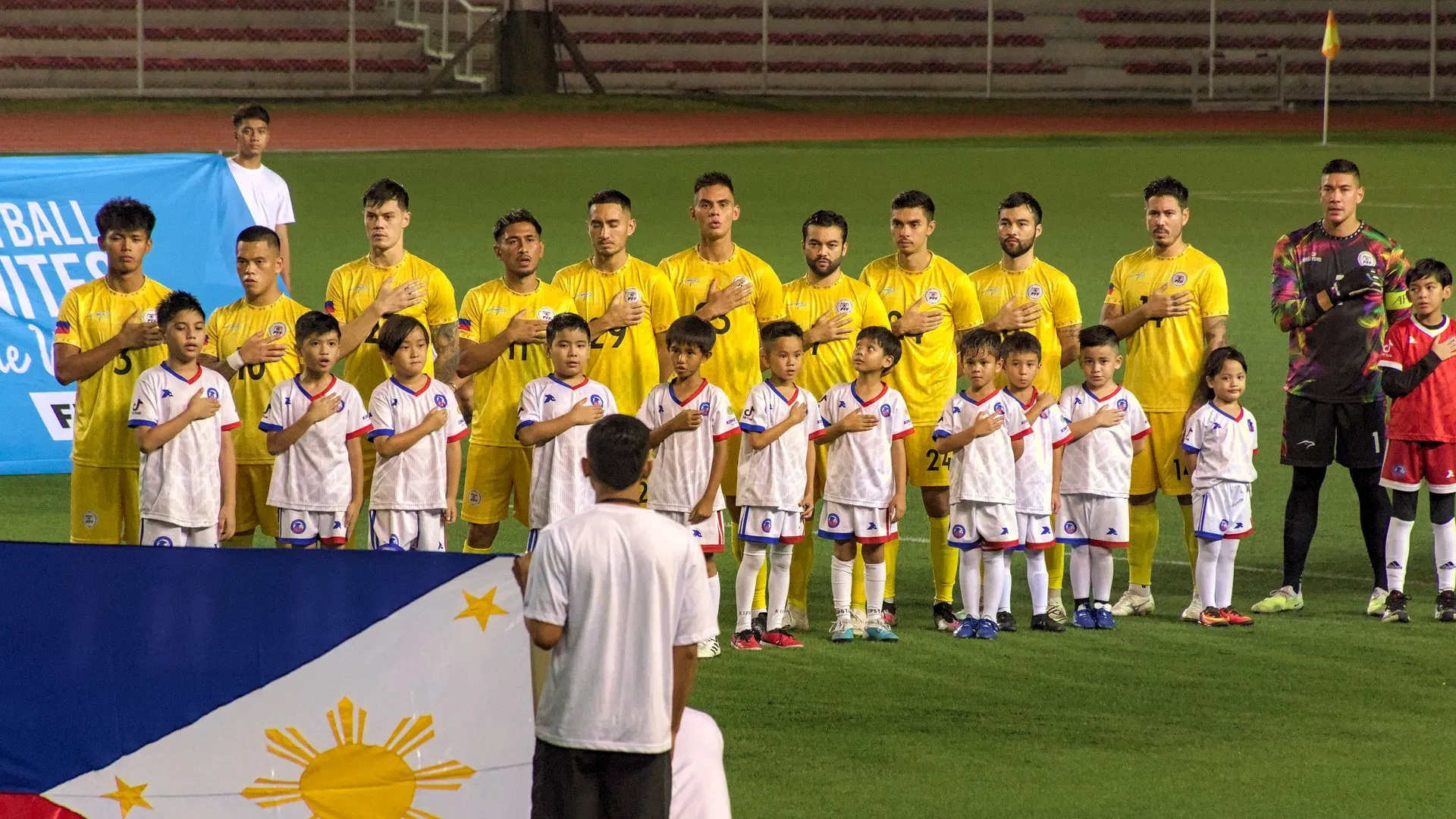
Philippine football has always measured itself against one night: December 2010, the "Miracle of Hanoi," when the Azkals stunned defending ASEAN champions Vietnam 2-0 and dragged the sport into the modern era, as the PFF itself frames it. Fifteen years on, the national team just produced its best qualifying campaign ever — and still watched the Asian Cup slip away. That paradox is the honest picture of where the program stands.
The best campaign that failed
Under Spanish coach Carles Cuadrat, the Philippines went unbeaten through 2027 AFC Asian Cup qualifying: four wins, two draws, 14 points, and the group's highest scoring rate — an average of three goals per game. It ended with a 1-1 draw against Tajikistan in March, and the Central Asians advanced on a single goal of difference, the PFF reported.
Unbeaten and out. The consolation is real progress in the table: FIFA's rankings place the Philippines at No. 135, up from 150 at the end of 2024 — still short of the program's all-time best of 111, but trending correctly for the first time in years.
A different kind of rebuild
The original Azkals era ran on emotion and a wave of foreign-born recruits. The current rebuild, per the federation, looks more structural: dual-nationality debutants like Randy Schneider, Jossef Baccay, Andre Leopold and Oliver Obermair have already locked down starting roles, with a deeper queue forming behind them — Bjorn Kristensen, Sandro Reyes, Dylan Demuynck, and MLS's Markanich twins, whose eligibility is being processed. The program that once scrambled for eligible talent is now managing a pipeline.
The context matters, too. The women's team, the Filipinas, reached the 2023 FIFA World Cup — the benchmark the men's program is openly chasing, and proof of what Philippine football can do with sustained investment.
The honest assessment
So where does the team actually stand? Somewhere uncomfortable: better than its reputation, short of its ambition. The unbeaten campaign showed a defensive structure and attacking identity that previous Azkals teams lacked; the exit showed the margins — one more goal anywhere across six games, and the Philippines is in Saudi Arabia in 2027.
The next proving ground is regional: the ASEAN Championship — now rebranded the Hyundai Cup — where the Philippines reached the semifinals last edition, including a 2-1 home win over Thailand, per the PFF. The federation's stated aims are the right ones: sustain the FIFA ranking climb, convert the new player pool into chemistry, and turn "unbeaten and out" into "qualified."
For a basketball country, the progress is easy to miss. But the floor under Philippine football is measurably higher than it was — and for the first time, the program's ceiling looks like a plan rather than a prayer.