Billiards Sports23 Editorial 2 min read
The Cue Kingdom: Why the Philippines Keeps Producing Pool Champions
Reyes begat Biado; Biado is already grooming the next one. How a billiard-hall culture became the world's most efficient title factory.
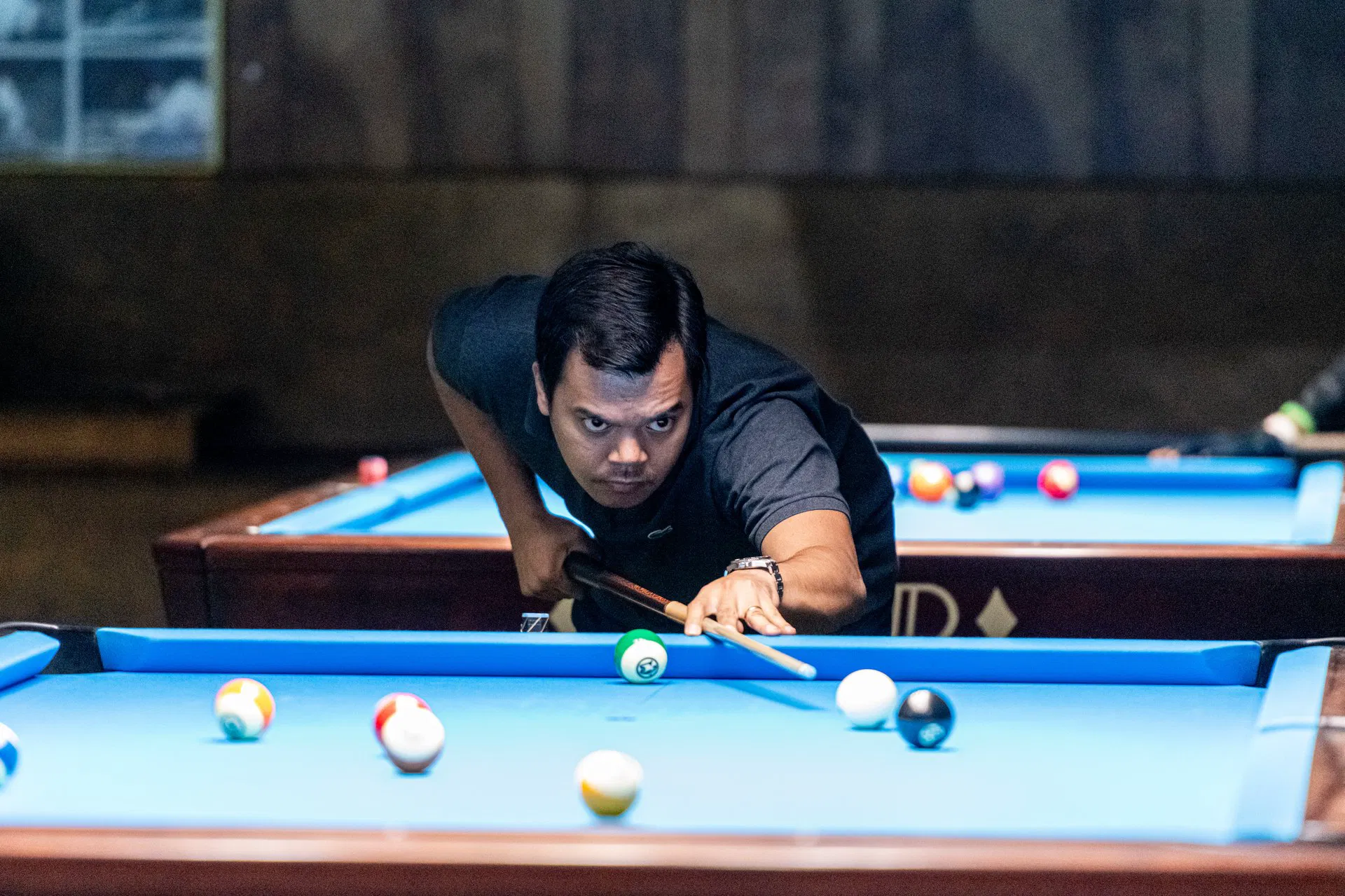
Earlier this month in Bali, a 19-year-old Filipino stood three balls from a world title. AJ Manas, playing alongside veteran Carlo Biado, scratched the cue ball at the worst possible moment of the WPA World Doubles 10-Ball final — and Spain escaped with the crown, the Philippine Star and BusinessWorld reported.
A heartbreak, yes — but also the latest data point in the strangest dynasty in world sport: the Philippines' endless production line of pool champions.
The generational chain
The lineage is documented — our colleagues at BilliardNews have told the history of how Efren "Bata" Reyes turned pool into a national obsession. What matters now is what came next. Biado, the era's reigning figure, owns two 9-ball world titles plus crowns in 10-ball, mixed team and the US Open. And in February, he anchored a Philippine squad — with Jeffrey Roda, Chezka Centeno and three-time women's world champion Rubilen Amit — that rallied from two sets down to beat Poland for the WPA Teams 10-Ball World Championship in Las Vegas, a $120,000 payday.
Now comes Manas — a teenager the Philippine press already calls "a worthy successor to the crown". Reyes begat a generation; that generation is already grooming the one after it.
Why the pipeline never breaks
No other country converts informal play into world titles this efficiently, and the reasons are structural rather than romantic.
The hall system. Pool tables are woven into Philippine street life — in barangay halls, shopping malls and province-side clubs — so the sport's base is enormous and essentially free to access. Money games, the country's informal finishing school, teach pressure management no academy can replicate: players learn to perform with something real on the line, hundreds of times, before they ever see a TV camera.
Mentorship inside champion stables. Manas did not emerge from a federation academy; he surfaced inside Biado's competitive orbit, the same way Biado surfaced inside Reyes's. Philippine pool transfers knowledge person-to-person — technique, yes, but more importantly temperament.
A women's pipeline too. Amit's three world titles and Centeno's rise mean the system runs on both sides of the sport — unusual even by global standards.
The strangest part: nobody's watching
Here is the paradox that defines billiards' place in Philippine sport. It is the country's single most reliable source of world championships — more dependable than boxing, more decorated than basketball ever was internationally — yet it commands a fraction of the attention. No primetime league, no PVL-style crowds, little corporate money. The production line runs on culture, not infrastructure.
That may be about to get a test. The 2027 SEA Games program puts snooker and billiards on the Penang cluster — a home-region medal event where the Philippines will start as favorite in nearly every discipline. And if Manas converts his Bali heartbreak into hardware, the sport may finally get the crossover star it has never needed but always deserved.
Either way, the halls stay open. The next champion is already practicing.